Observation + Imagination = Evocation
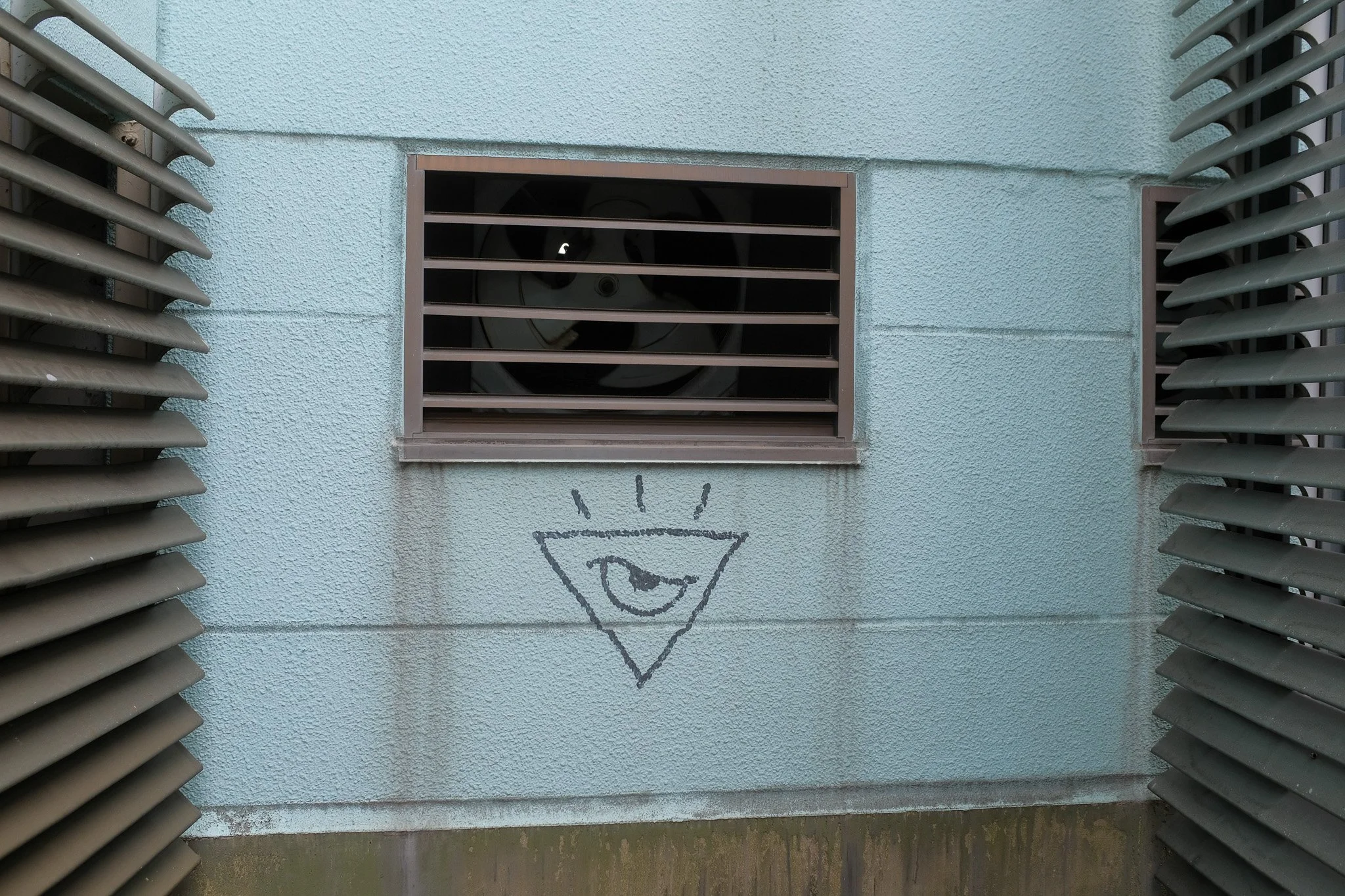
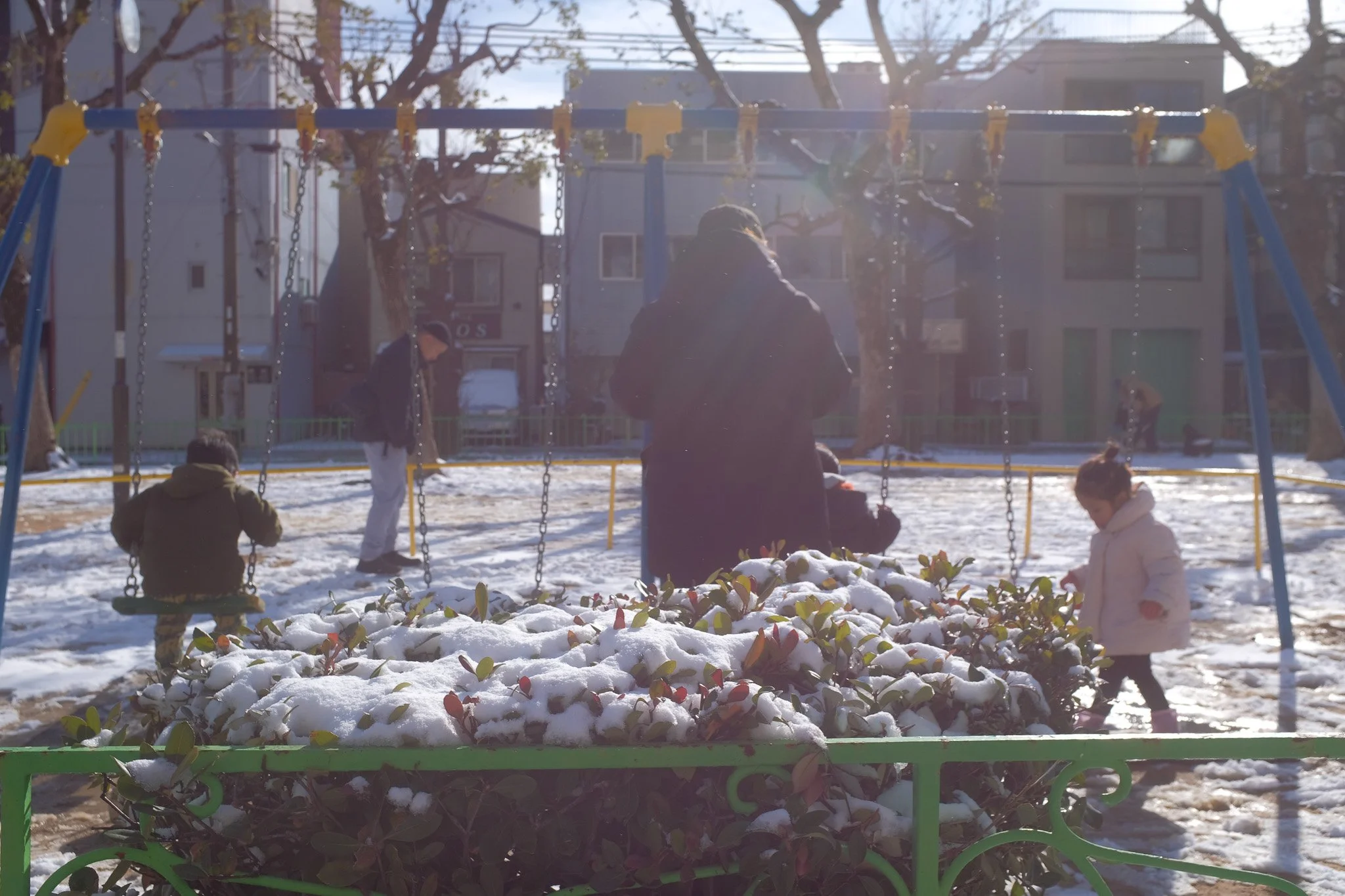
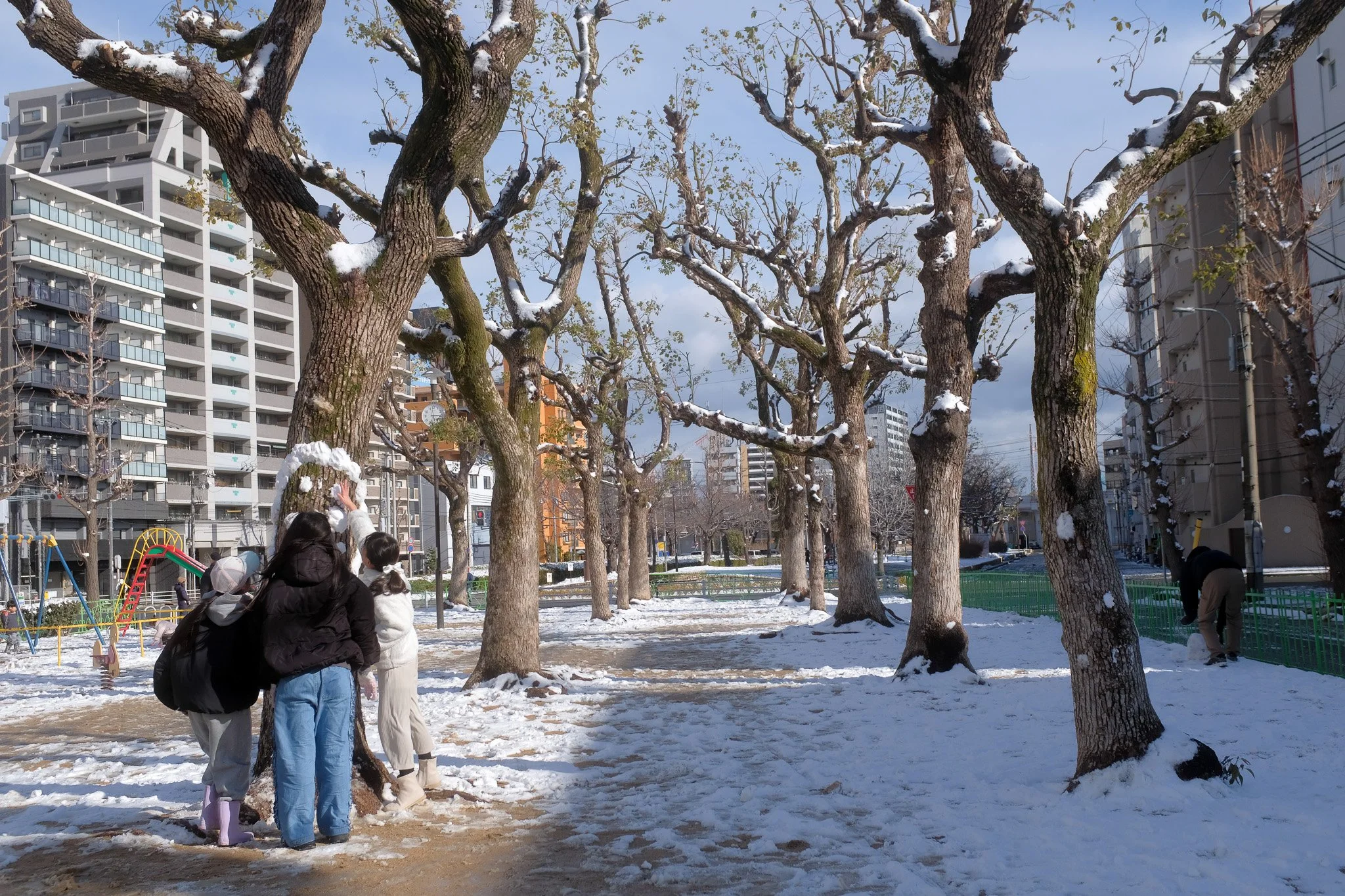
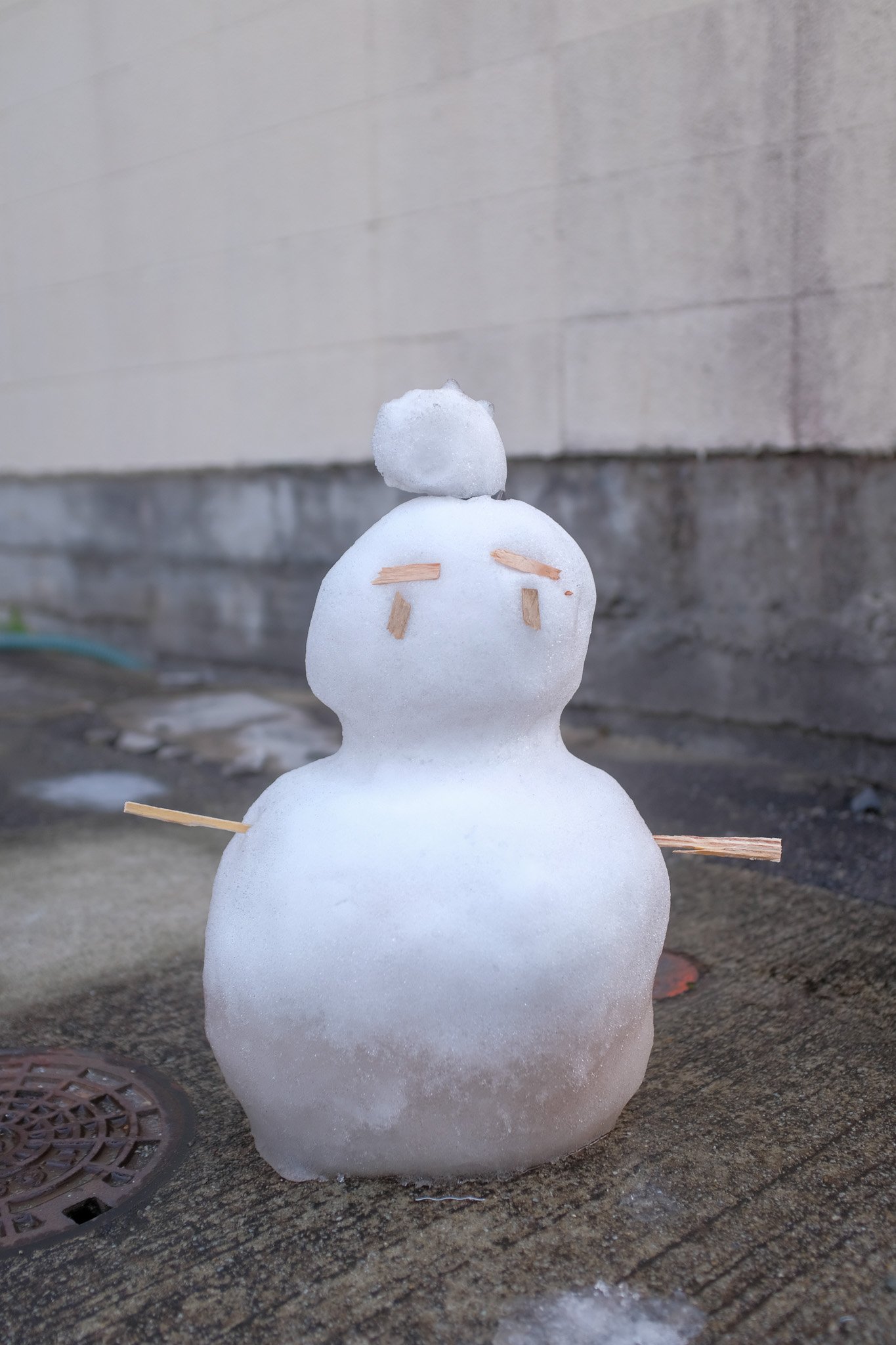
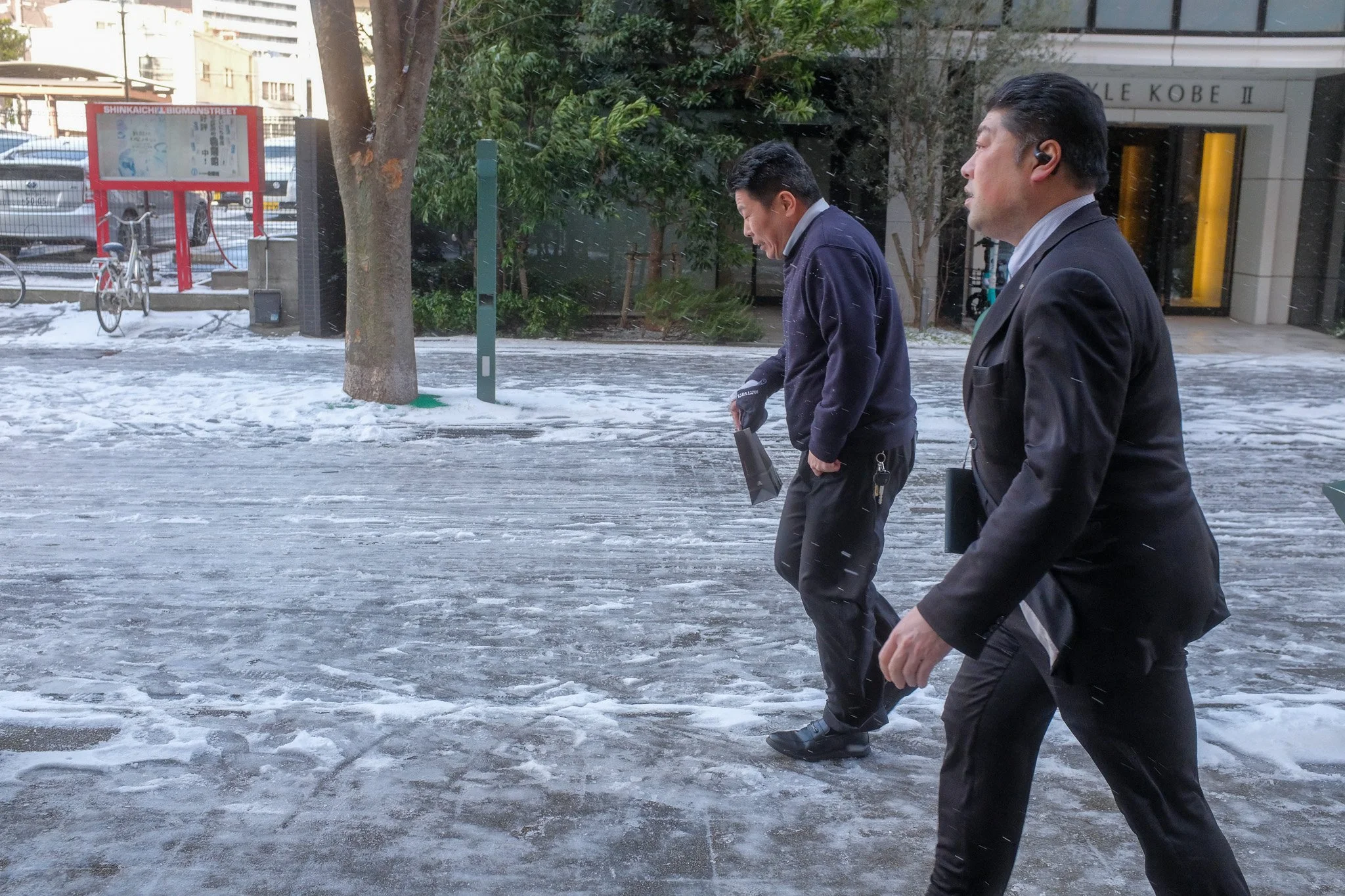
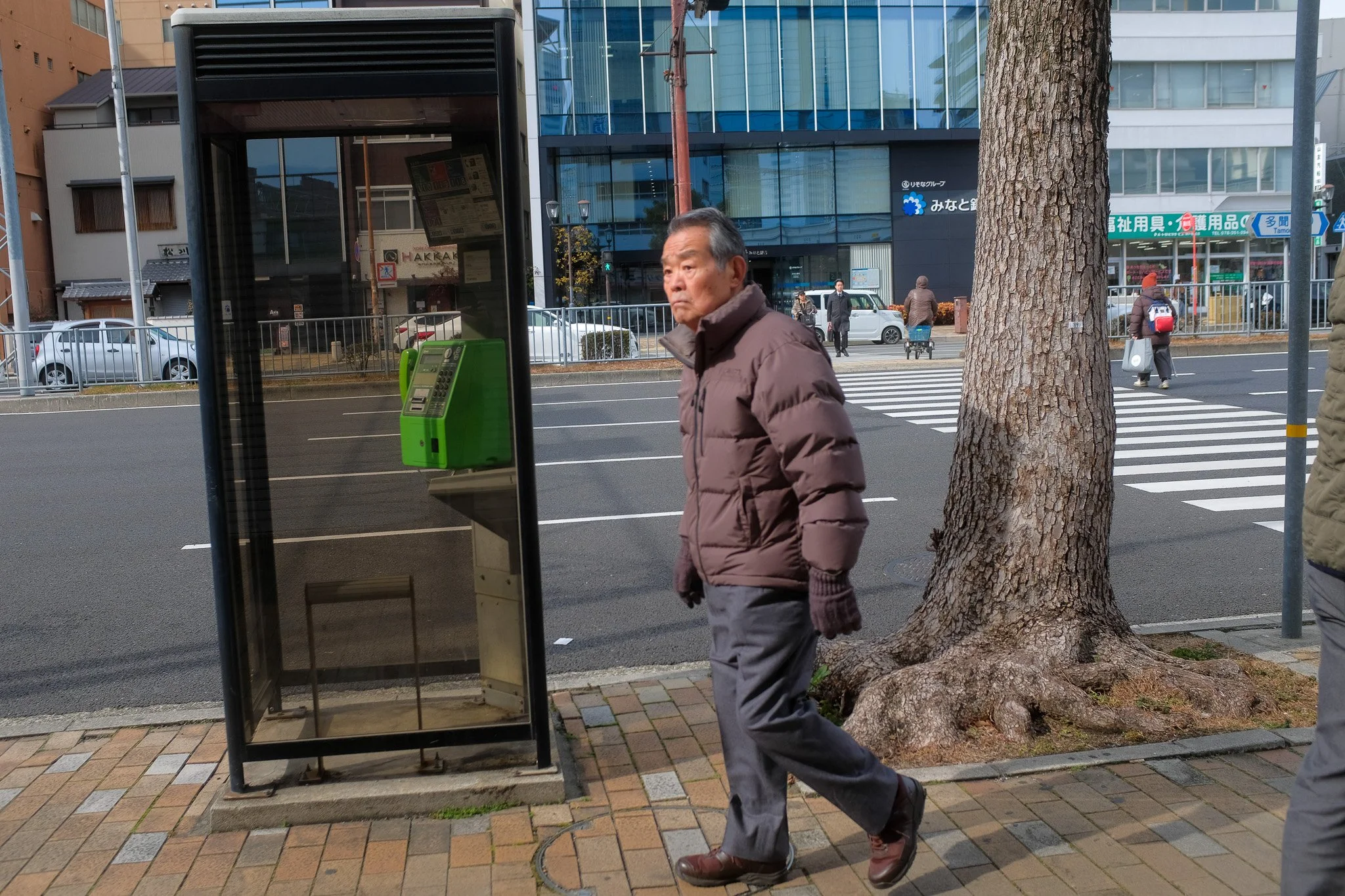
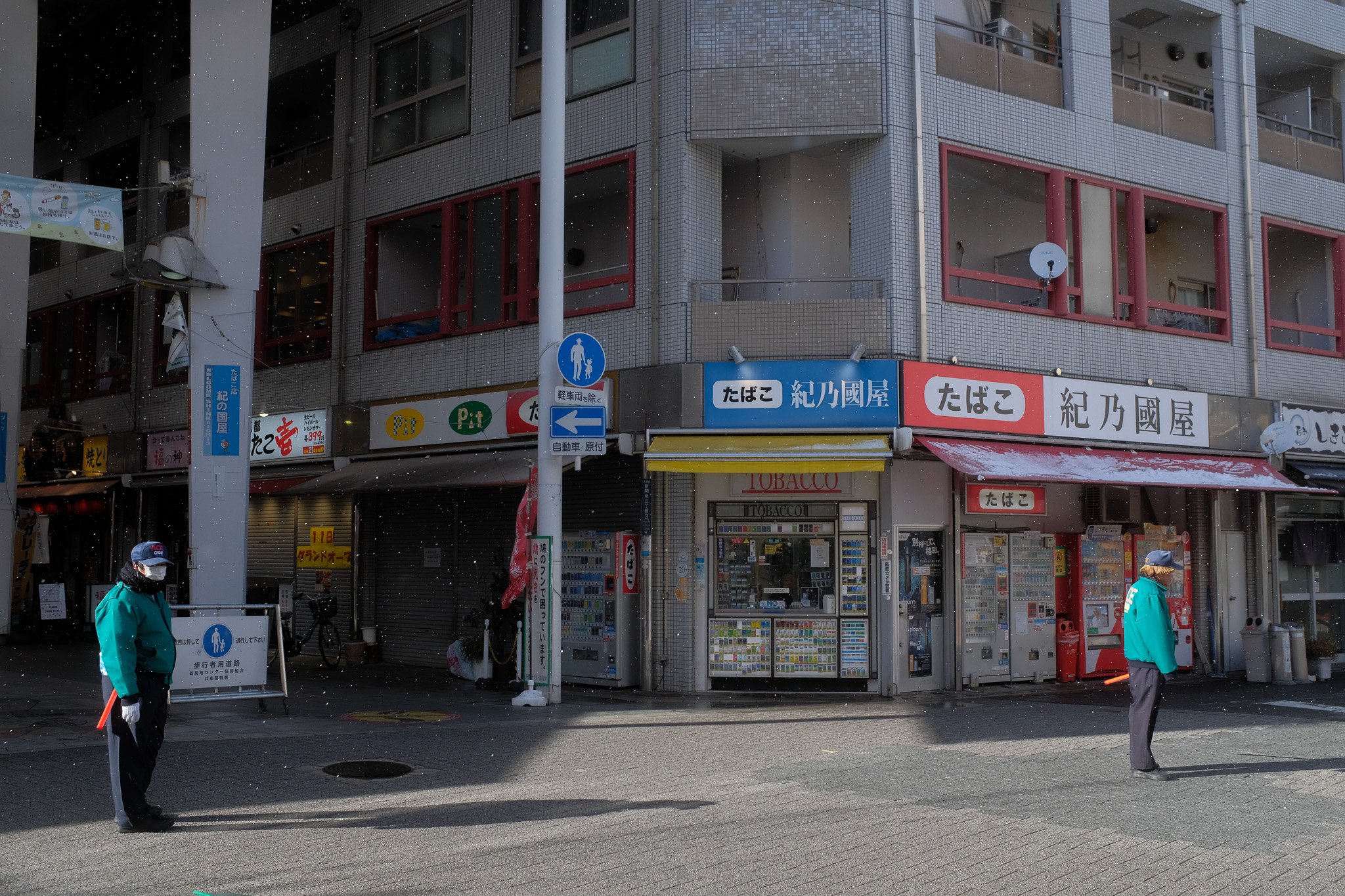
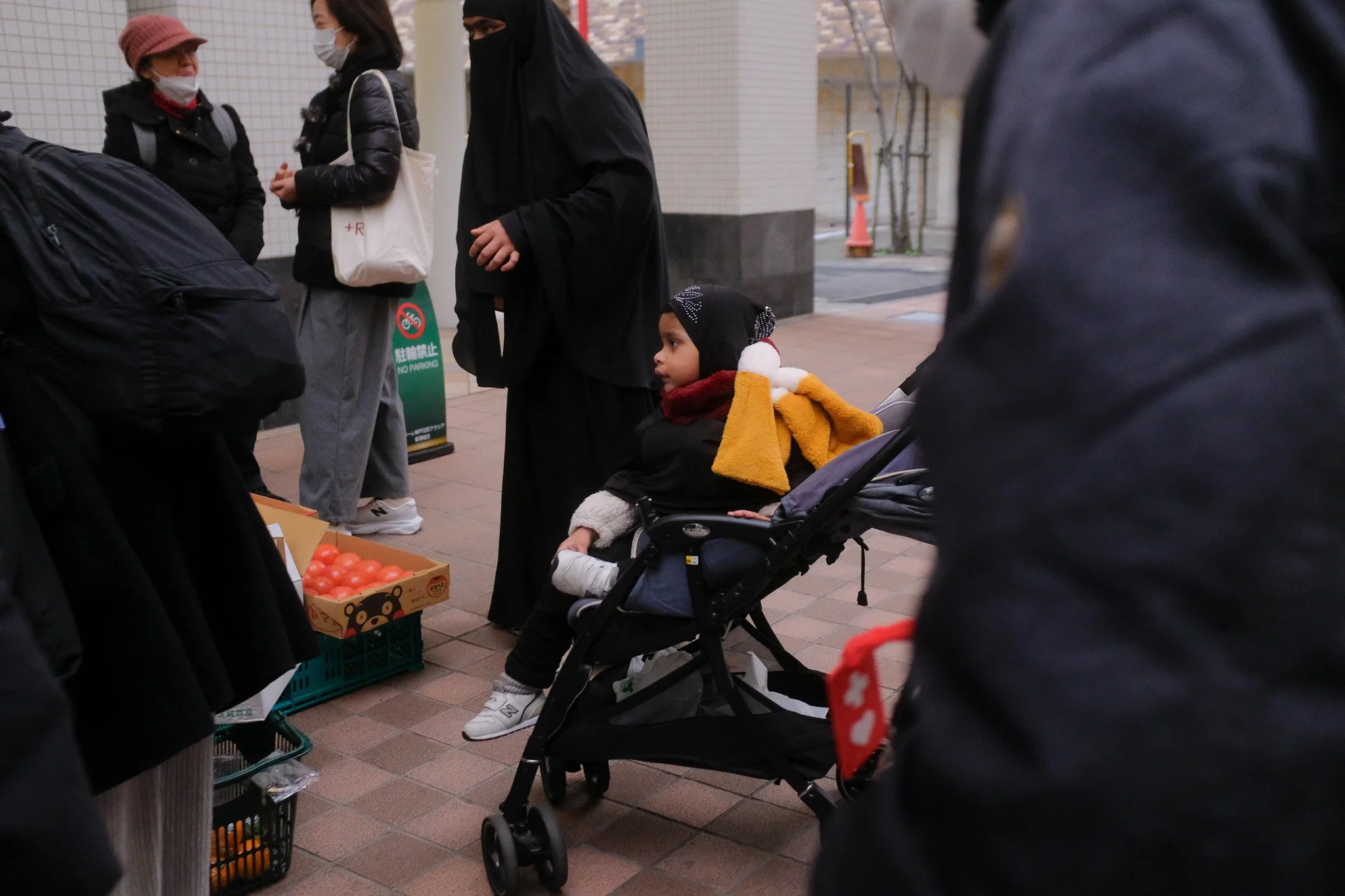
On countless walks through central Kobe, Japan, I’ve taken thousands of photographs. Most days I am left skunked, but rarely am I disappointed. Alex Webb said that 99% of photography is failure. Wayne Gretzky said that you miss 100% of the shots you don’t take. And what is it that Thomas Edison said? Something along the lines of instead of failing, he simply found 10,000 ways that did not work. With this in mind, I keep framing shots, pressing the shutter button, adjusting the ISO, and trying to place any potential disappointment in the backseat. If anything, a good photo walk will yield about eight to 10,000 steps and a chance to breathe some fresh air. It will also yield around 100 frames, depending on caffeine level, light conditions, and subject matter.
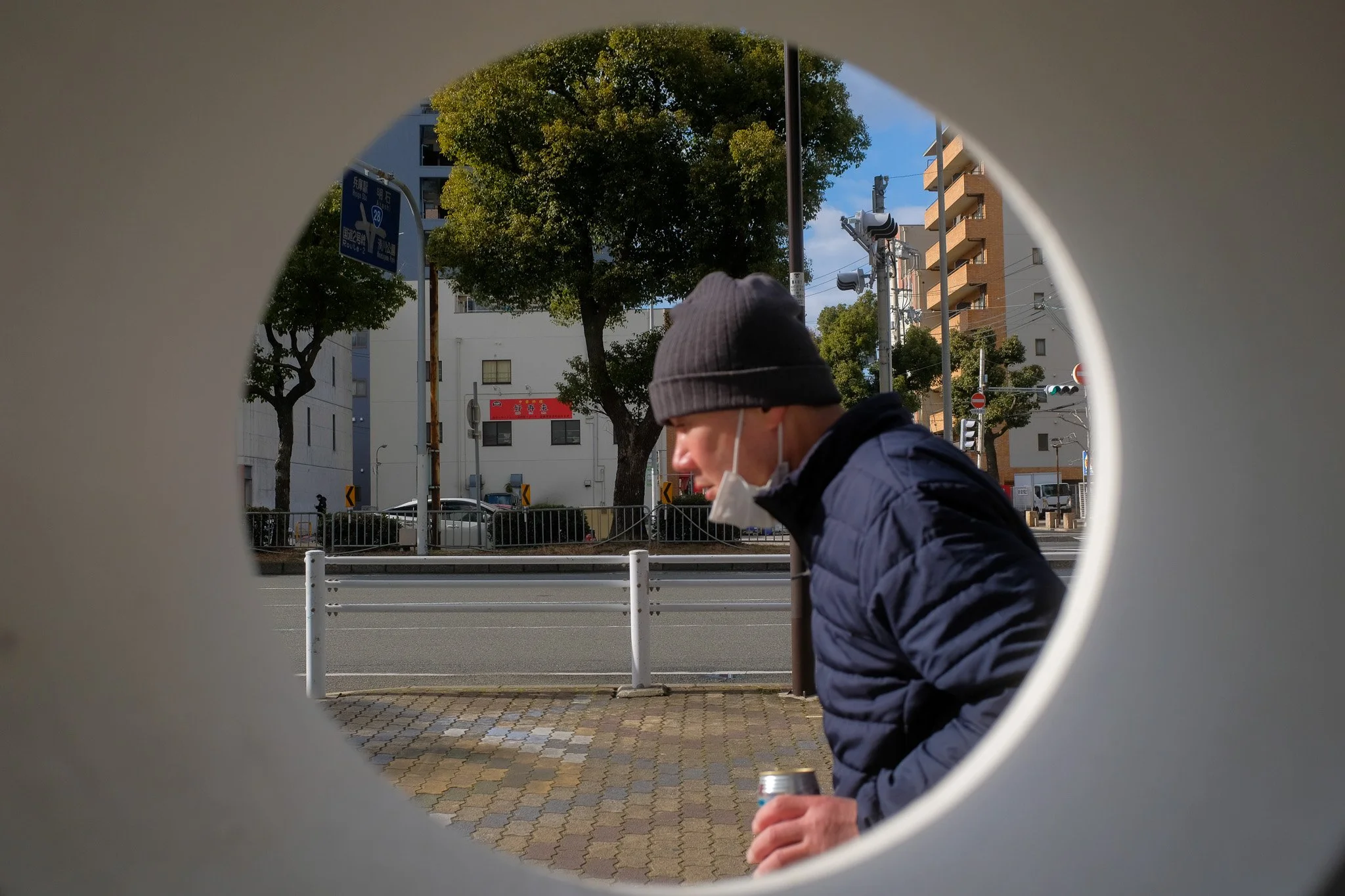
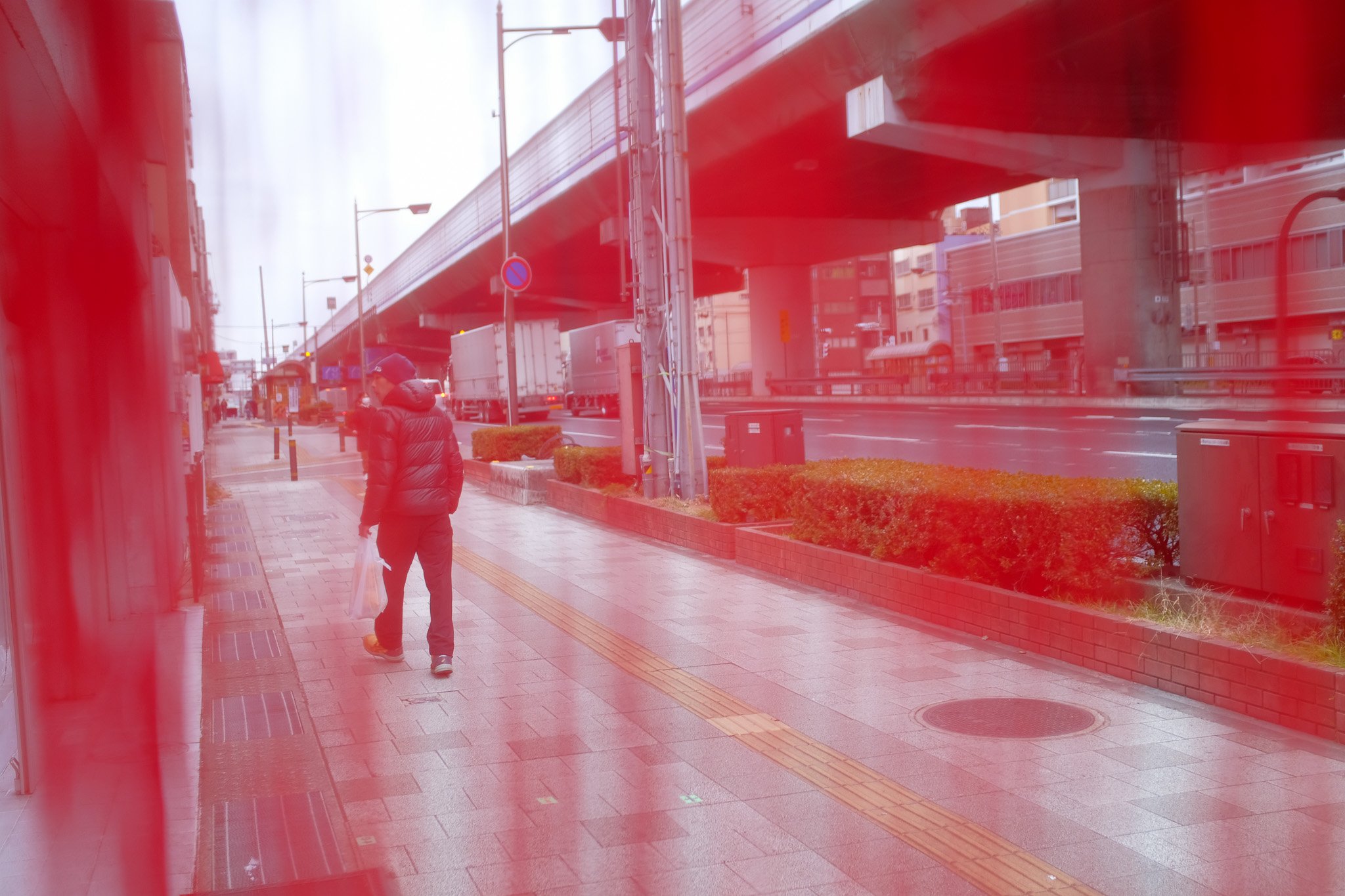
While out photographing the world the other day, I was listening to a lecture series about writing fiction by author and professor James Hynes. At one point Hynes mentioned “observation plus imagination” in regard to character development in fiction writing. While my current bucket list does not include composing a novel, I do find these lectures quite intriguing. I’ve started to draw parallels between attempting fiction writing and trying to become more effective with my photography. As photographers, we need to be constantly observing our surroundings, noticing the things others perhaps glance over, or hanging a left when others are venturing right. Through this continuous practice of observation, we can begin to anticipate scenes unfolding much like an author describes the intricacies of the protagonist, the battles with the antagonist, and all the details of each particular scene. However, simple observation may not quite be enough to yield a photograph that brings joy and satisfaction. We need imagination as well. Imagination in photography could be attempting new perspectives, using a softer focus, intentionally over or under exposing, slowing the shutter speed to portray some sort of movement, or even breaking every rule of composition ever written and framing a subject barely coming into or escaping the frame.
Hynes also poses that fiction writing needs to not only be descriptive, but also evocative. One can easily describe a scene or a character with a handful of carefully chosen adjectives, but to evoke takes writing to the Nth degree. And maybe that is what the best photography does as well. It stirs something within us so deep that we cannot quite explain what makes the photograph stand out. We simply know it does.
Keep observing. Keep imagining. Strive for evocation.
Central Kobe | February | 2026