See Your Heroes on a Tuesday
I first heard Jawbreaker on Revolution Radio in the fall of 1995. I was alone in my living room. It was cold. It was dark. It may have been raining. The moment “Fireman,” from their major label debut Dear You, transmitted through the airwaves and onto the three-disc changer AIWA bookshelf audio system, I was instantly hooked. The clashing guitars, the pop of the Rob Cavallo-produced snare drum and the smooth delivery of lyrical poetry grooved a much needed neural network in my brain, one that would soon be treated to an entirely new canon of music. As soon as I discovered Jawbreaker and their then - and even more so now - revered back catalogue, they disappeared - a major record label deal gone sideways and a once welcoming - on the fringes, at least - punk rock community disowning them for abandoning life in the van. Fans were left crushed. Having just discovered the band that could save our generation, and then after coming to terms with the fact that we would never get to see them perform their genius on stage, was disheartening at best. It was akin to discovering The Beatles’ catalogue in 1966, only to shortly after learn they had put the brakes on live performances. In a way, this was worse. At least The Beatles continued to record and release music for another four-plus years. Yes, Jawbreaker were our Beatles - at least in a very underground and imaginative sense.
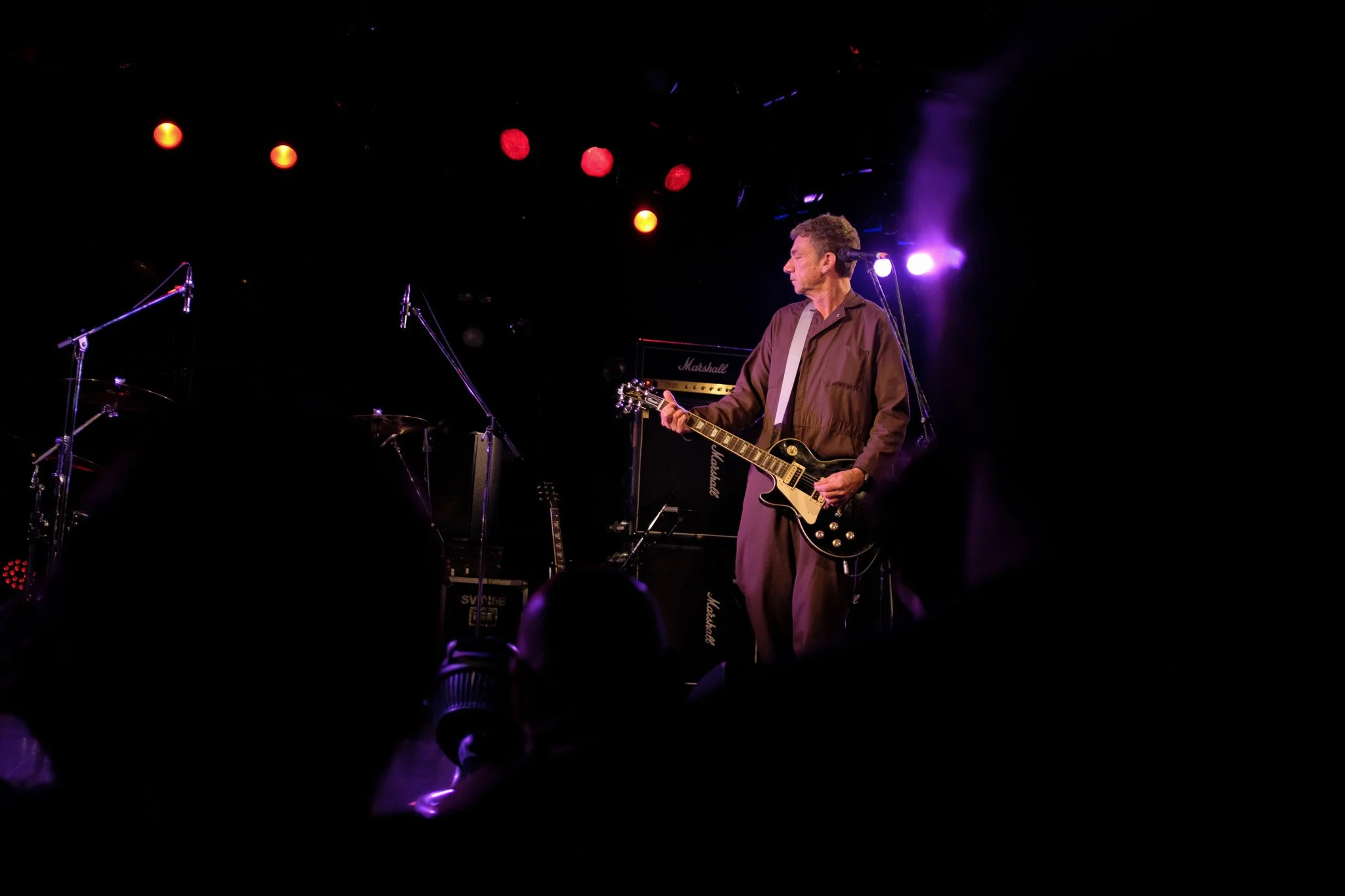
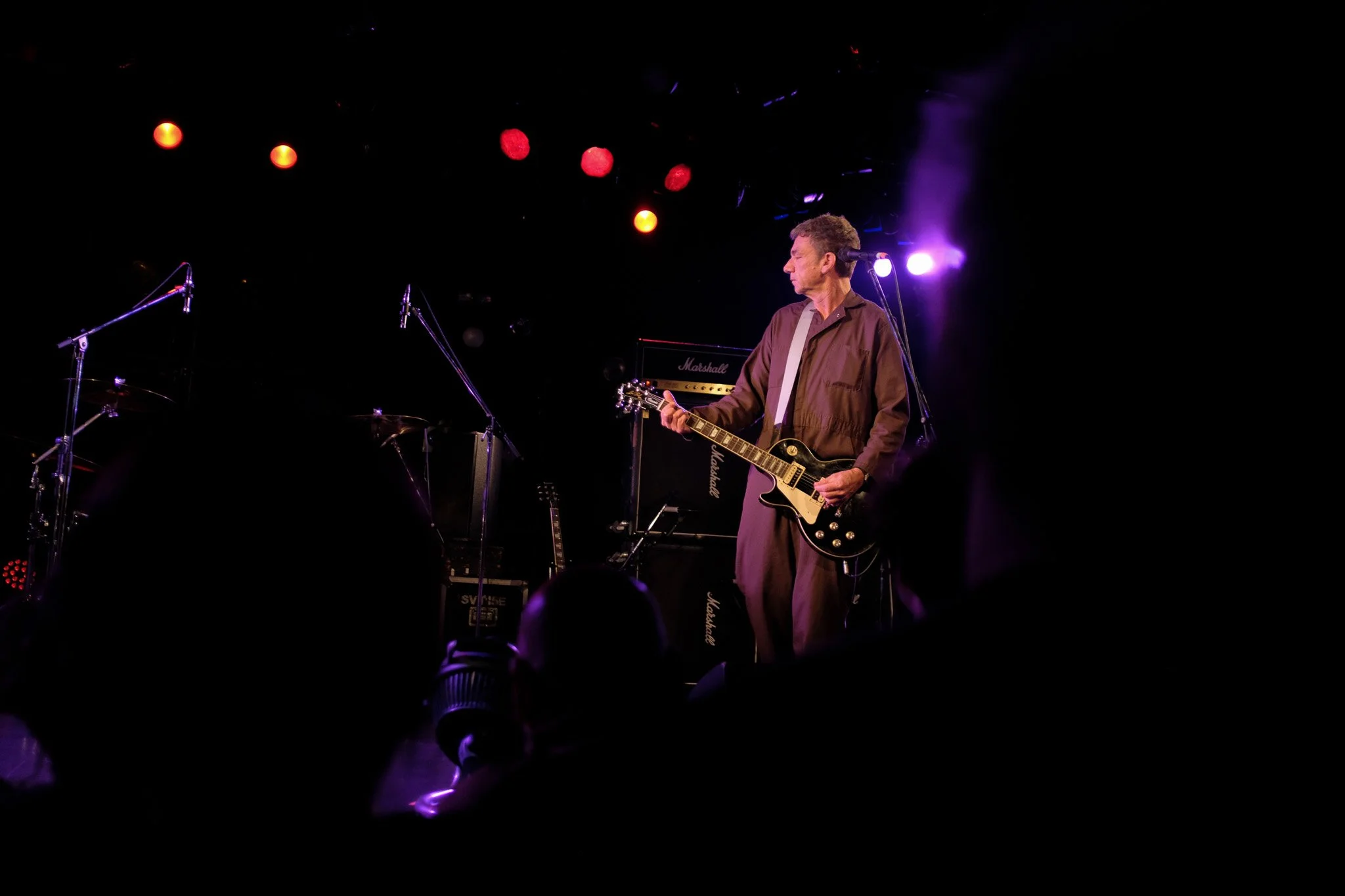
Blake Schwarzenbach gives Adam Pfhaler (not pictured) a nod
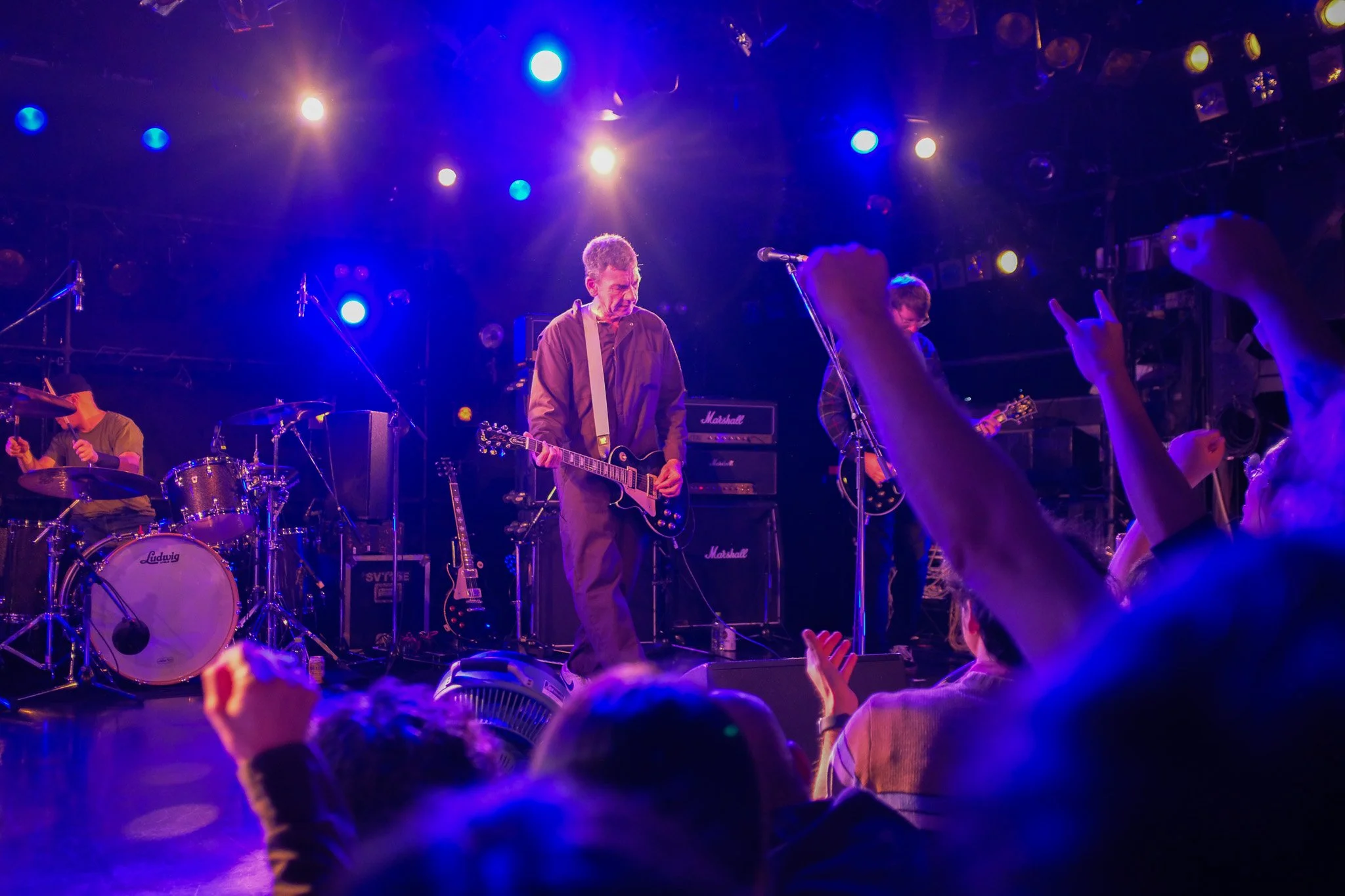
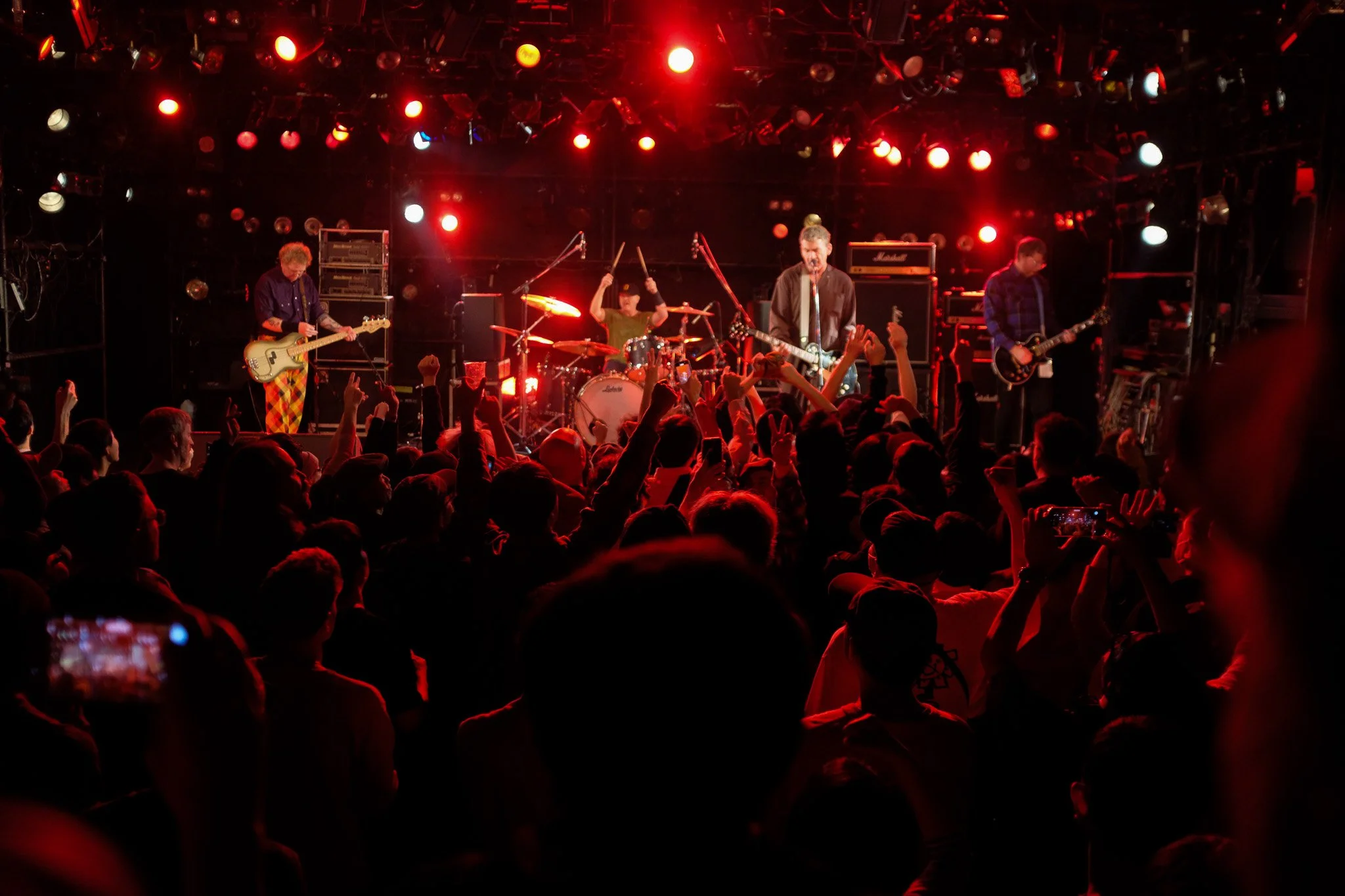
You can imagine that, 30 years after first hearing “Fireman,” finding myself on my way to a small club in Osaka’s Umeda district with a ticket to a Jawbreaker show in my left breast pocket was a tad more than surreal. Seeing Blake Schwarzenbach, Chris Bauermeister, and Adam Pfhaler take to the stage and break into “I Love You So Much It’s Killing Us Both,” from the record that broke them was so disorienting that it took 45 seconds for me to figure out what song they were playing, despite knowing it as well as “Twinkle, Twinkle, Little Star.” That neural network was reconfiguring itself in real time, barely able to process what was unfolding five metres in front of me. It wasn’t until five or six songs into the set that my mind settled in and actually began processing what was happening: my heroes playing the melodies and singing the lyrics that carried me through so much of my teenage angst, 20-something coming of age nonsense, 30-something self-rediscovery, and my now mid-40s, reflectively sentimental self. A single tear streamed down my right cheek when Pfhaler perfectly queued the voice sample on “Condition Oakland.” The driving guitars complemented the cruise-control drums all the way to the final breakdown, with all its double snare hits and intermittent rhythmic patterns. This is my condition.
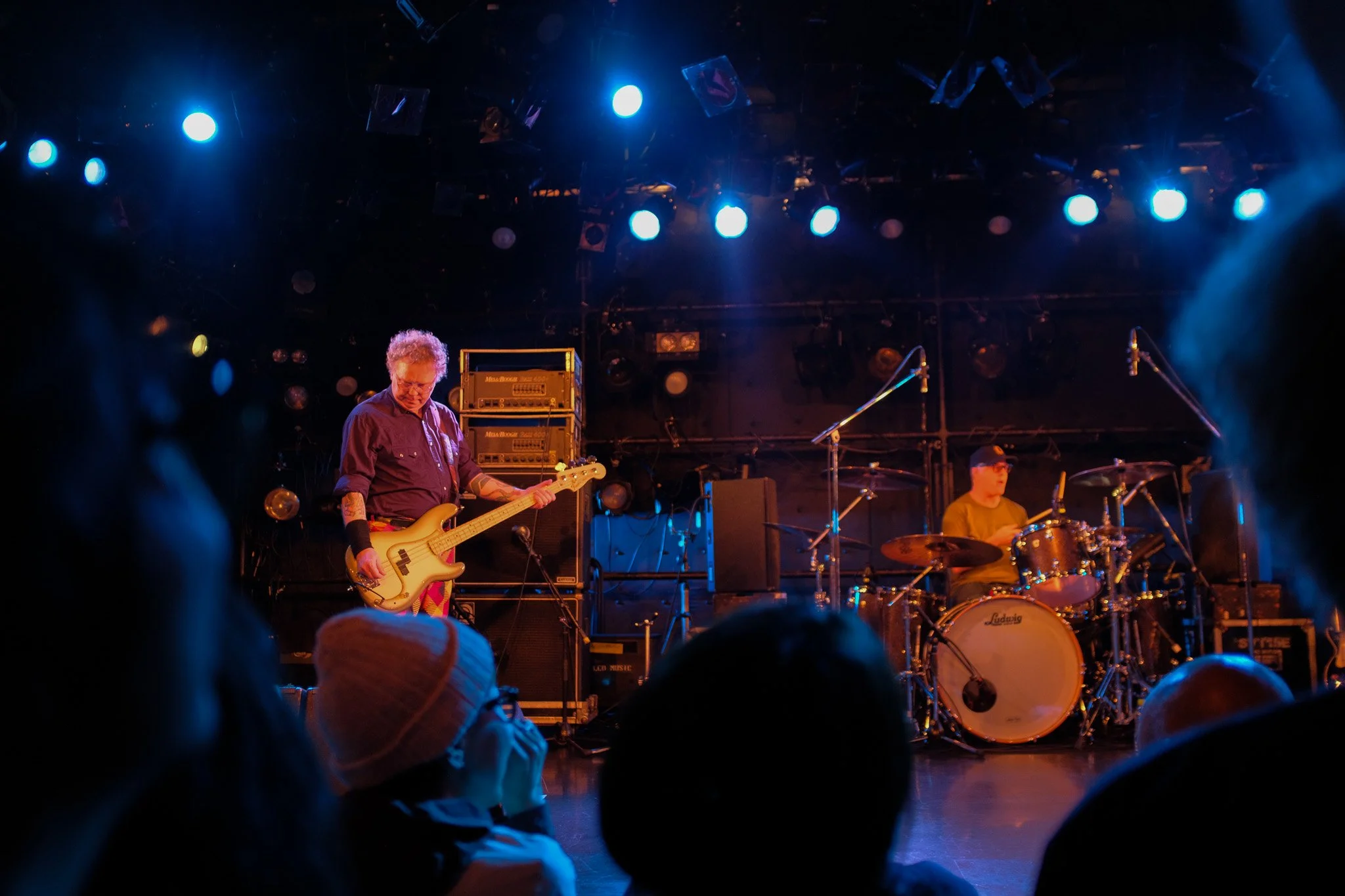
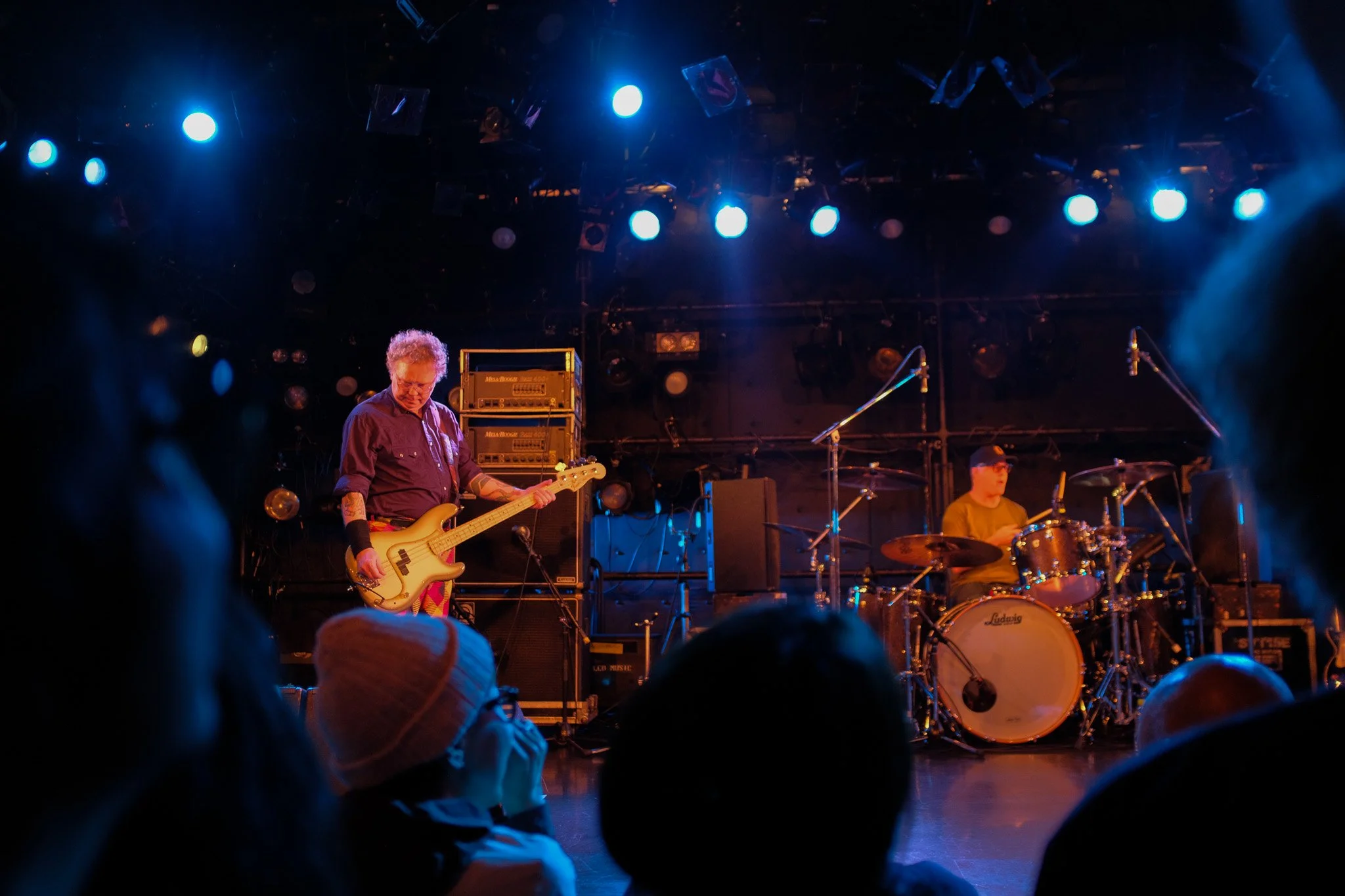
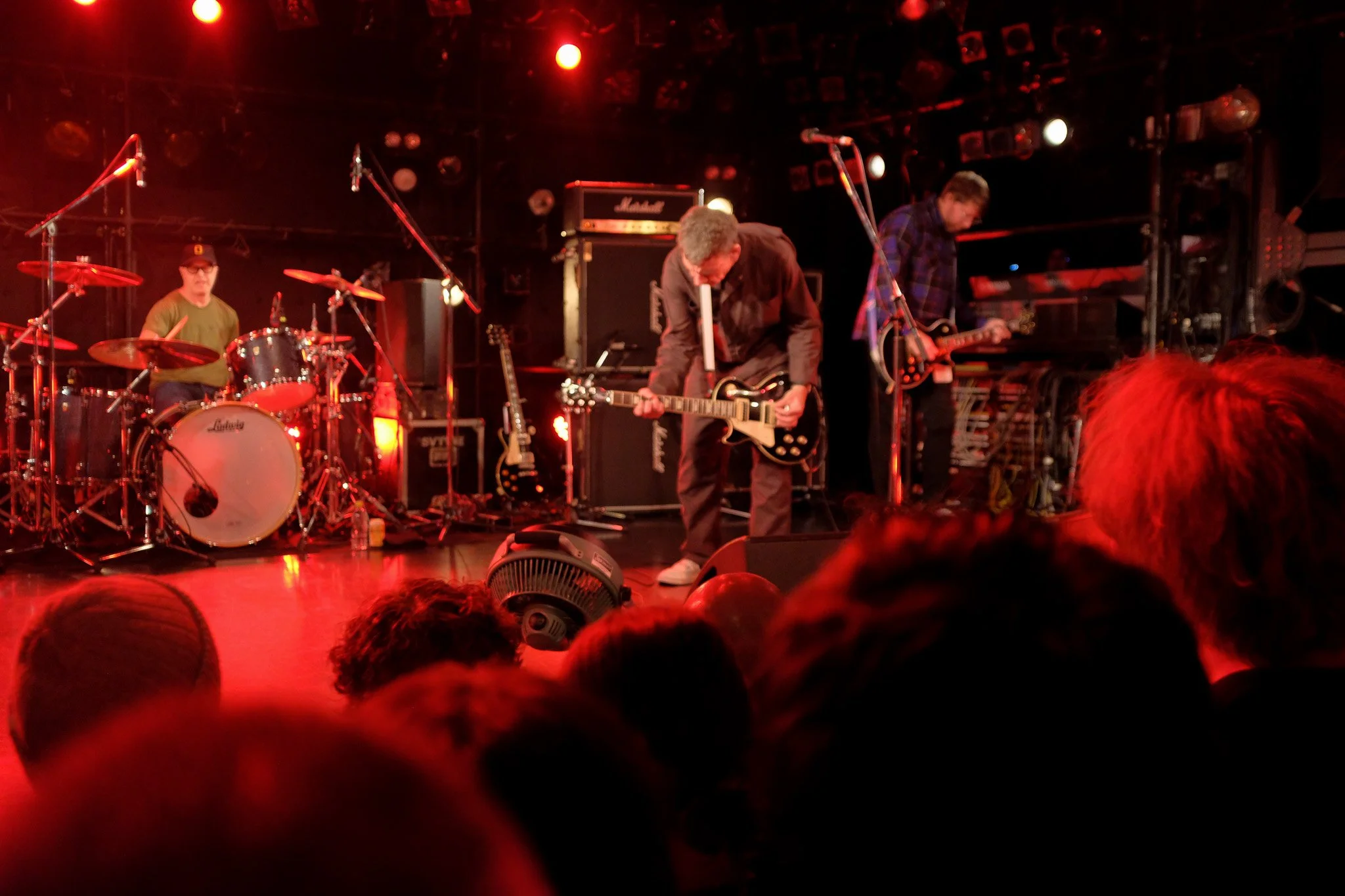
Chris Bauermeister (bass) and Adam Pfhaler (drums) dialing in the rhythm
The remainder of the set was a blurry dream-like euphoria, like the opening and sharing of a bottle of a 1995 Château Cheval Blanc to celebrate a 30th wedding anniversary. I tried my best to take it all in, to be fully encompassed by the noise, and to let the memories of listening to Jawbreaker over the last 30 years simply exist. To finally hear Blake sing “1, 2, 3, 4: Who’s punk what’s the score!?” in the same room, in real-time: his guitar perfectly out of tune, a broken string, a crowd-surfer, a sing along.
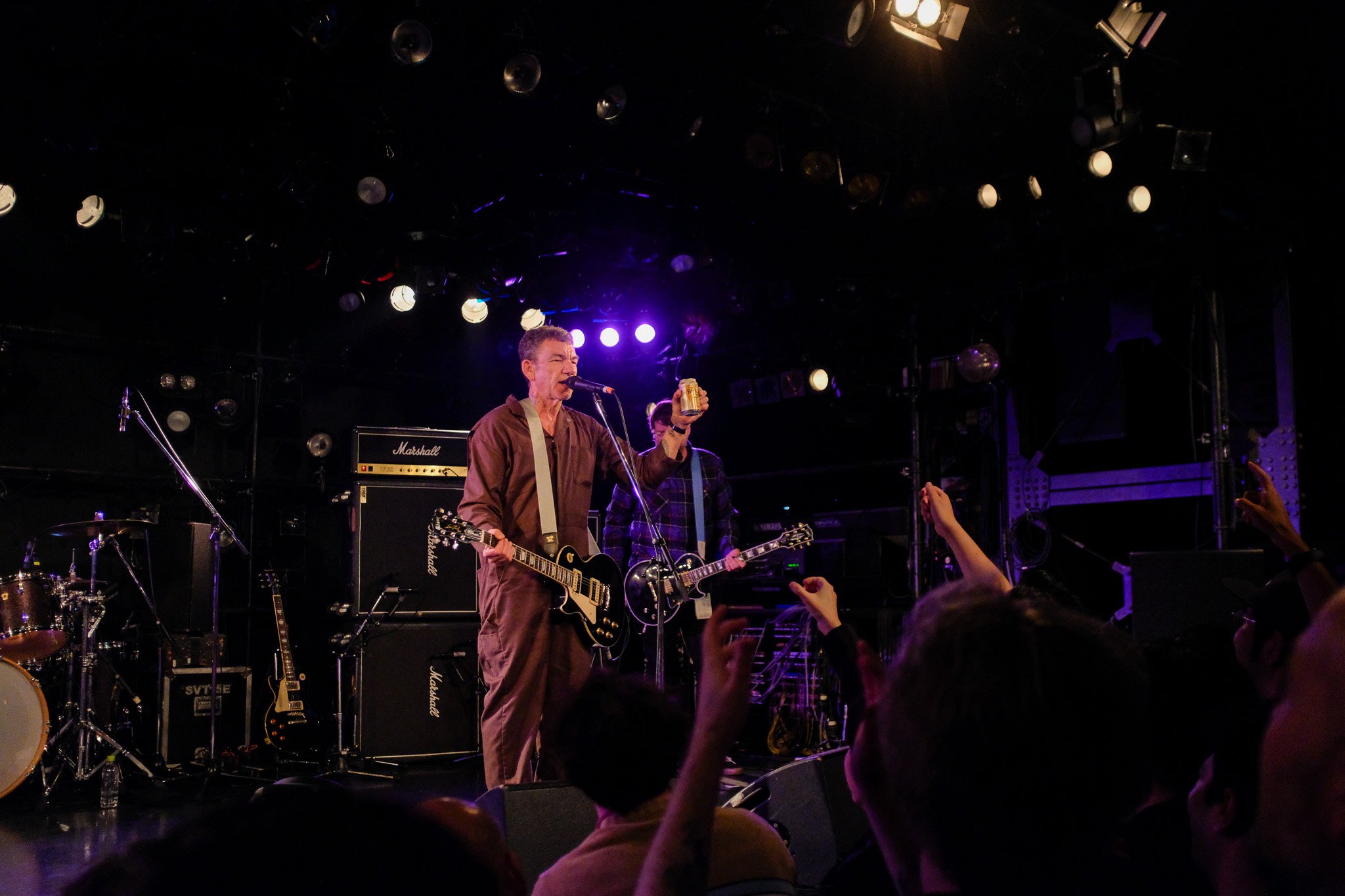
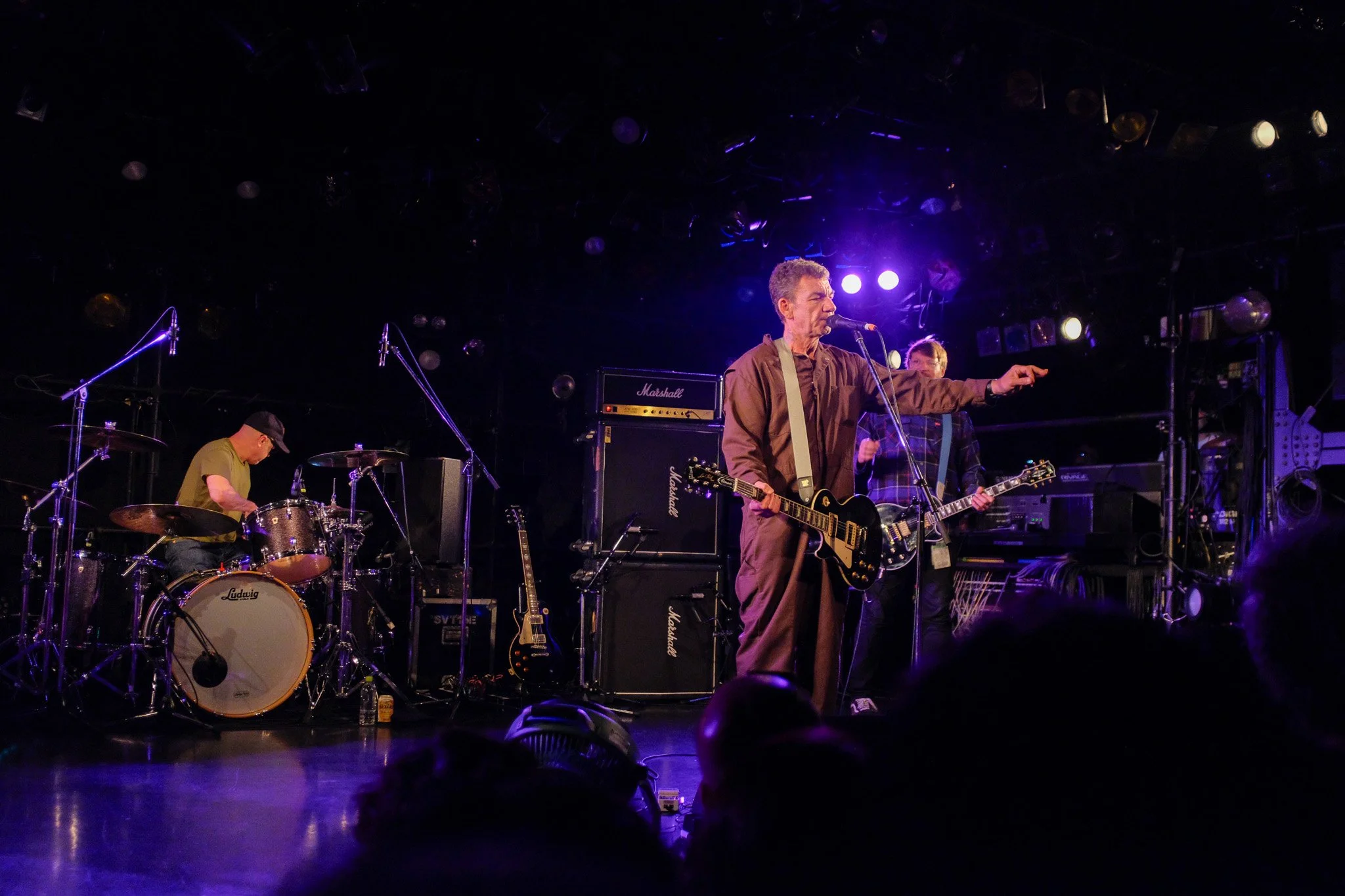
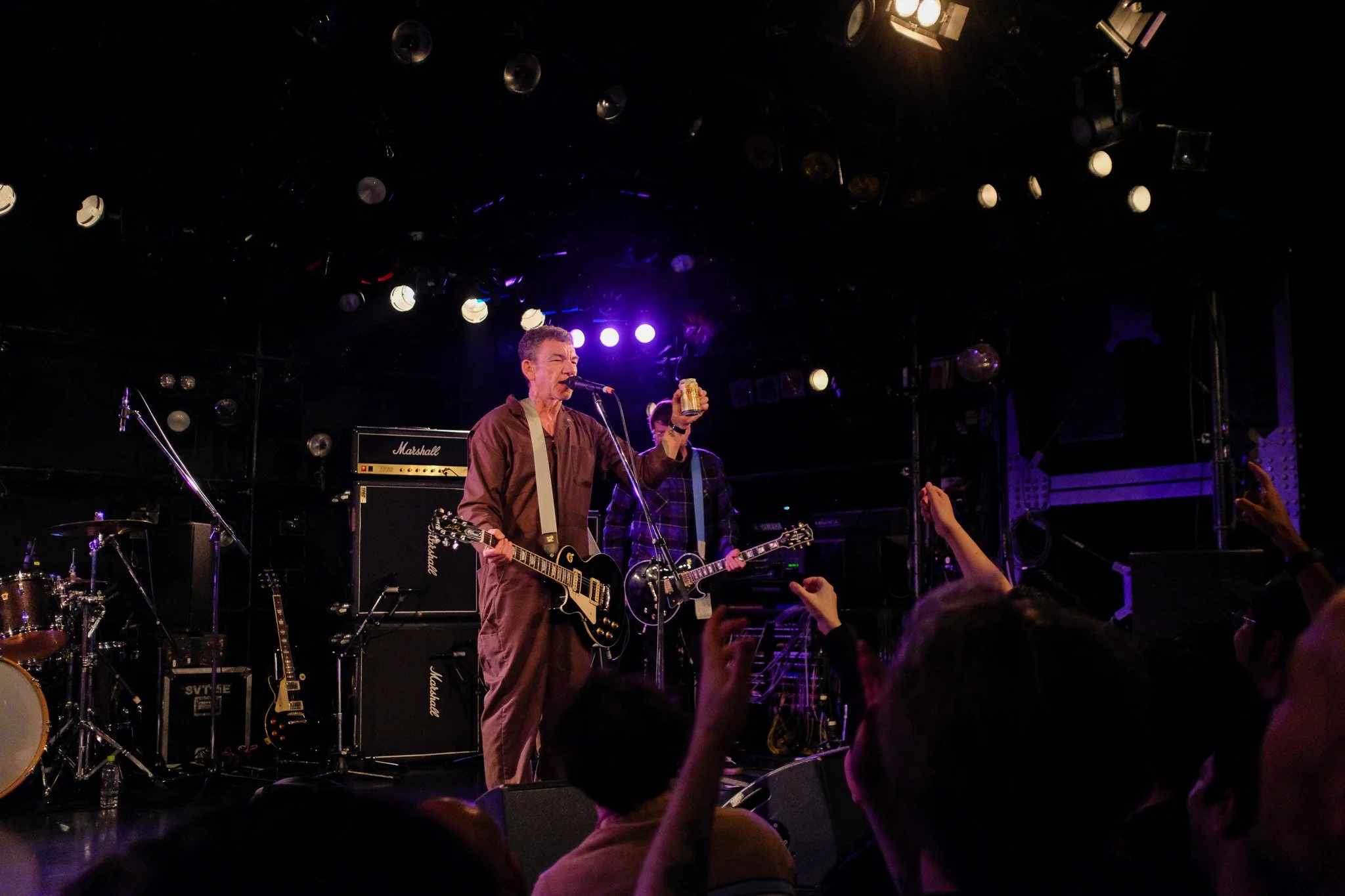
Blake Schwarzenbach offers a cheers to the crowd with a freshly cracked near-beer
Listening to Jawbreaker sounds different now and in the best way possible. I can reflect on a memory I once thought impossible, while revisiting late-night drives, mixtapes with “Jink Removing,” and the fantasy of how spectacular it would have been to actually see them play live. Go see your heroes, even if it’s a Tuesday.
Jawbreaker at Club Quattro | Osaka, Japan | December 2, 2025